
Ghana Enforces L.I. 2523 Biometric Verification for Ghana Card Transactions





Ghana’s National Identification Authority (NIA) announced that the National Identity Register (Amendment) Regulations, 2026 (L.I. 2523), took full effect on November 2, 2026. The mandatory regulations require institutions and entities handling Ghana Card-related transactions to integrate biometric verification, making identity checks a practical compliance consideration for affected organizations and their service providers.
Biometric Verification Becomes Mandatory
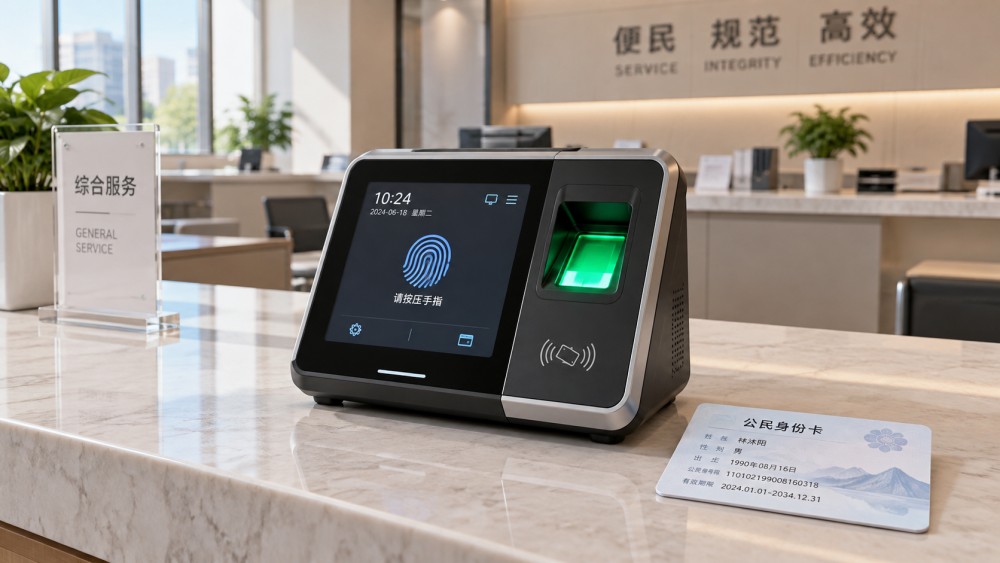
According to the NIA announcement described in the supplied event summary, L.I. 2523 applies to all institutions and entities processing Ghana Card-related transactions. The regulations require them to integrate biometric verification into those processes.
The stated aims are to strengthen national identity data governance, eliminate identity theft and raise security standards in key sectors. The change forms part of an upgrade to Ghana’s digital identity infrastructure.
Where Transaction Processes May Change
Organizations Handling Ghana Card Transactions
Analysis suggests that affected institutions may need to review where Ghana Card-related transactions enter their workflows and whether biometric verification is integrated at the relevant points. The supplied information does not specify which transaction types, systems or verification methods are covered in detail, so the practical scope of each review remains to be confirmed.
Technology Suppliers and Integrators
Providers involved in identity verification or transaction systems may face questions from customers about integration, compatibility and delivery timing. From an industry perspective, procurement and implementation plans could be affected if organizations need to assess or update their systems. The announcement summary does not identify approved products, technical specifications or supplier qualifications.
Business Customers and Service Partners
Businesses that rely on affected institutions or service partners for Ghana Card-related transactions may need to understand whether their own processes depend on those transactions. Analysis suggests that changes to verification workflows could influence coordination and timing, although the supplied information does not establish any actual disruption or change in delivery times.
Preparing for the Verification Requirement
Map Relevant Transactions
Organizations may wish to identify their Ghana Card-related transaction processes and check how the mandatory requirement applies to each one. Where responsibilities are shared with service partners, clarifying which party handles verification may help frame further compliance inquiries.
Review Systems and Procurement
Affected entities can assess whether existing systems support biometric verification and identify any integration questions for suppliers. Before committing to purchases or implementation schedules, they should seek confirmation of applicable technical and operational requirements; none are specified in the supplied summary.
Check Documentation and Official Guidance
Organizations may consider reviewing transaction procedures, supplier documentation and relevant contract or procurement requirements as implementation details become available. They should also monitor further NIA communications for clarification on scope, accepted verification arrangements and any implementation guidance, without assuming that such details have already been issued.
Implementation Details Remain Important
At this stage, the event is best understood as a mandatory rule reported to have taken full effect, rather than merely a proposal or an early policy signal. That does not establish how every affected organization must implement it: the supplied information does not describe technical standards, enforcement procedures or transition arrangements.
What deserves closer attention is whether subsequent official guidance clarifies those points and how affected institutions and suppliers respond. Those details could influence system choices, procurement decisions and transaction workflows, but their effects remain a matter for observation.
A Compliance Change With Practical Questions Ahead
L.I. 2523 places biometric verification at the center of Ghana Card-related transactions for covered institutions and entities. The immediate practical response is to identify potentially affected workflows and verify the applicable implementation details, while avoiding assumptions about requirements or market outcomes not established in the supplied information.
Basis for This Report
This article is based on the user-provided news title, event date and event summary. No specific official source link was provided in the input, so the announcement and its implementation details require continued verification against official NIA communications and the relevant regulations. Further monitoring should also cover implementation guidance, organizational responses and industry feedback.
Related News
Thermal Sensing
Curation by industry experts
Popular Tags
Related Industries
- ASELSAN Says EJDERHA AD Disabled 51 Drones in a Single TestASELSAN says EJDERHA AD disabled 51 drones in seconds without missiles. Discover what the test reveals about electromagnetic counter-drone defense.
- How to prepare HVAC procurement specifications for Middle East heatMaster procurement specification preparation Middle East projects need. Learn how to compare HVAC bids, address extreme heat and define clear acceptance criteria.
- FBI Exposes FaceStealer Campaign Using Stolen Video to Bypass Face ChecksFBI exposes the FaceStealer campaign's use of stolen video to bypass facial liveness checks. Explore the risks and lessons for businesses.
Weekly Insights
Stay ahead with our curated technology reports delivered every Monday.